Start with the equipment as it sits
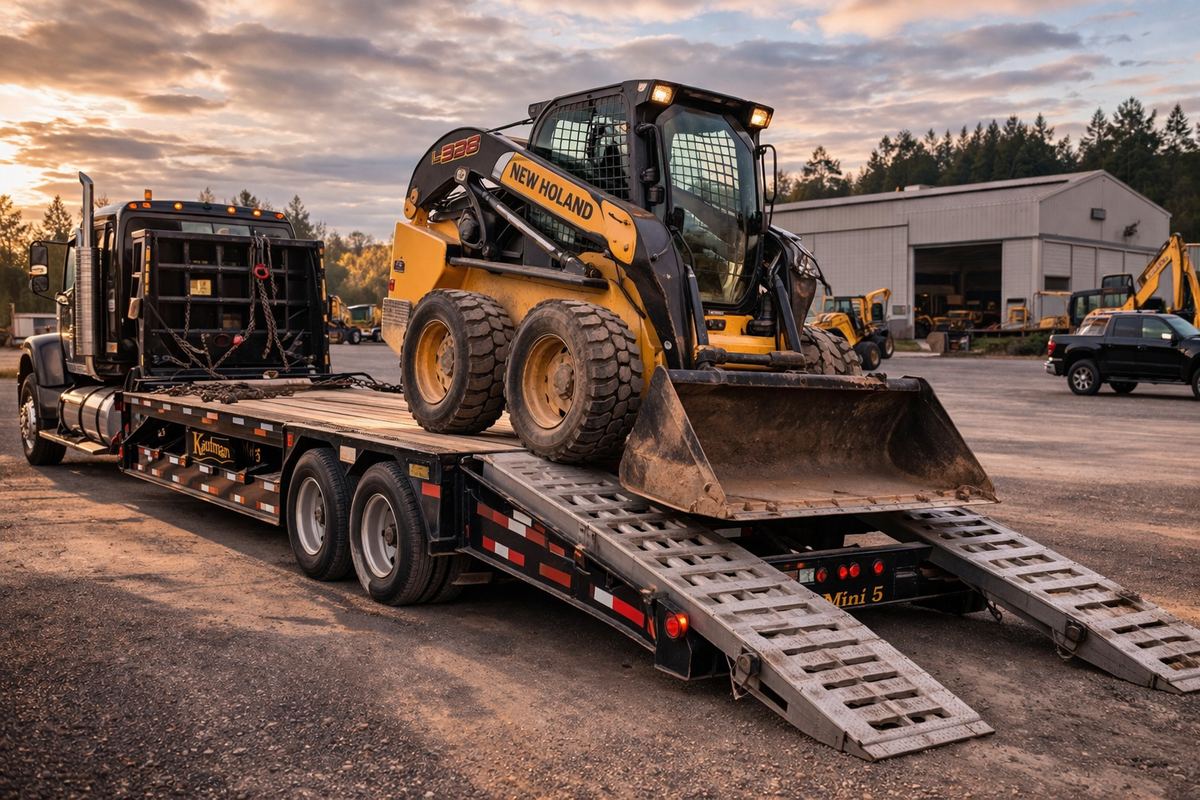
Farm equipment can be difficult to describe with a single title. A tractor, compact tractor, mower, baler, implement, or attachment may change size depending on what is connected, folded, removed, or traveling separately.
The useful starting point is the current setup. Say what the machine is, what is attached, whether implements are included, and whether anything can be removed for transport. If the exact model is unknown, photos from several angles and any plate or listing details can still help BEMAC review the move.
Describe the equipment as it will be picked up, not only how it appeared in a listing or sale conversation.
Width and implements deserve special attention
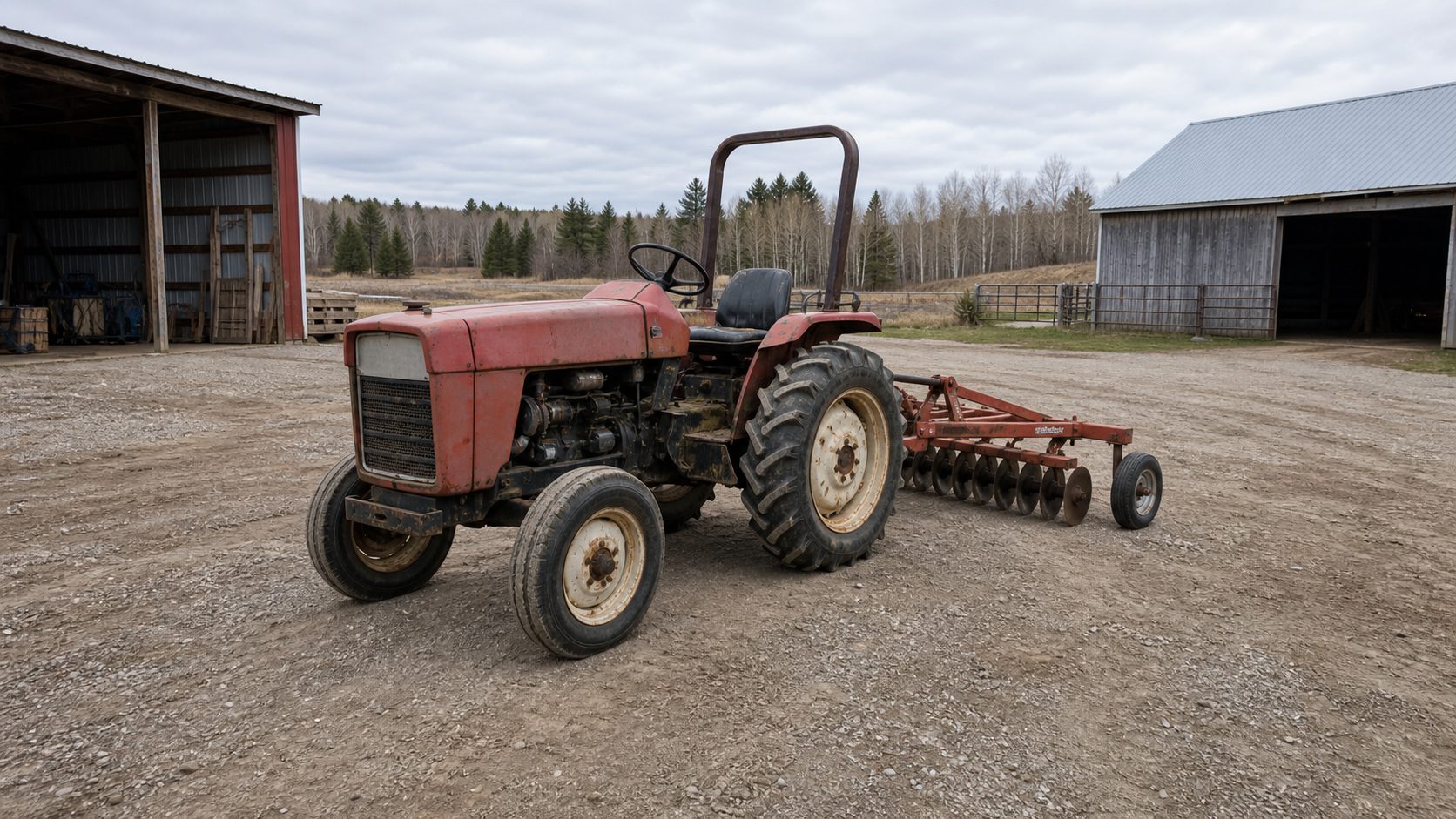
Implements are often the detail that changes the plan. A tractor with no attachment is one move; a tractor with a mower, blade, loader, forks, or loose implement is another. Some equipment can be narrowed or folded, while other pieces travel at their working width.
If an implement is attached, include photos and any rough dimensions. If it is separate, explain whether it is loose, palletized, on wheels, or sitting in a yard. That affects handling and trailer space.
A loader, mower, or blade can add width, length, or height that changes trailer fit.
A separate attachment may need its own handling plan even if the main machine is compact.
Rural pickup access is part of the job
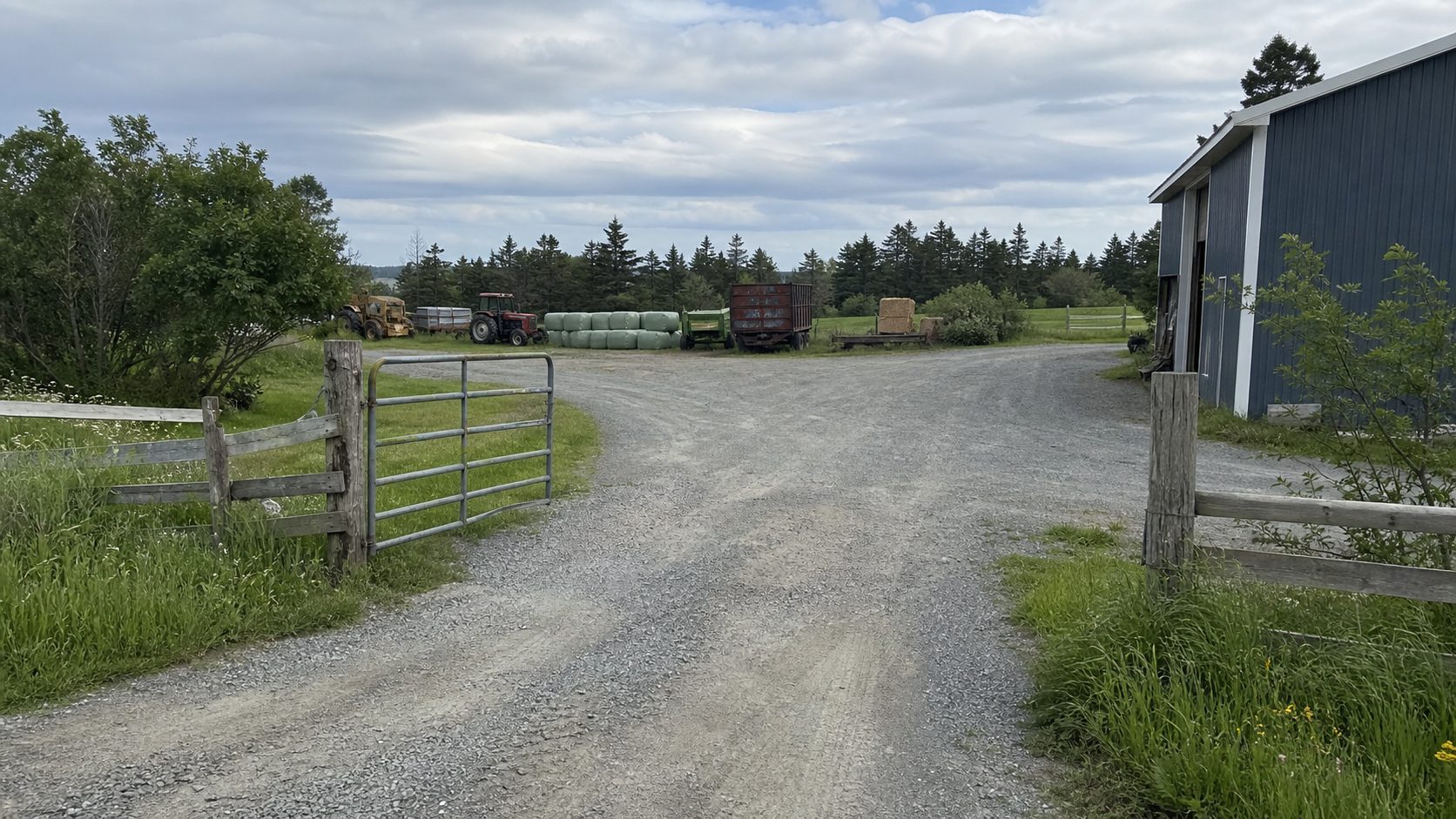
Farm pickups often happen down rural lanes, in fields, behind barns, or on seasonal ground. A location may be easy for a pickup truck but awkward for a transport truck and trailer.
Send access notes early if the road is narrow, the ground is soft, there are low branches, gates, slopes, snow, mud, or limited turnaround room. A wide photo of the lane or yard can prevent a lot of guessing.
Seasonal timing can affect the move
Farm equipment moves can be tied to planting, harvest, auctions, field conditions, or weather windows. Mud, snow, frozen ground, road restrictions, and busy seasonal schedules can all affect when a pickup is practical.
If timing matters, explain why. A flexible move from a dealer yard is different from equipment needed before a job, crop window, or seasonal use. BEMAC can review timing more honestly when the reason for the deadline is clear.
The timing conversation is also where rural access and weather meet. A field approach that works in dry weather may not work after a thaw or heavy rain. A machine that can be moved easily in the yard may become harder to reach once seasonal work begins around it.
- Pickup contact and access notes
- Current equipment photos
- Implement details
- Preferred timing
- Delivery site and unloading room
What a good farm equipment request feels like
A strong request does not need to be polished. It needs to be practical. It should explain what the equipment is, how it is set up, where it sits, who can meet the driver, and what the delivery site looks like.
For a farmer, that might mean a tractor with a loader leaving a rural property after the yard dries out. For a buyer, it might mean an implement at a seller location with limited loading help. For a dealer or auction purchase, it may mean release details, yard hours, and whether the equipment can load under its own power.
Those details help BEMAC review the real move rather than treating farm equipment as a generic machine category.
Tractor is in an open gravel yard, loader attached, seller can meet during daylight, lane is narrow but has a turnaround near the barn.
Equipment is at a farm somewhere outside town, but no contact, access photo, or implement details have been confirmed.
Why farm equipment needs a little extra context
Farm equipment often lives in places that were built for farm work, not transport access. A machine may be parked behind a barn, beside a field, in a seasonal yard, or at a rural property where road width and turning room are not obvious from the address.
That context matters because a transport truck needs more room than the equipment itself. The driver may need to understand where to approach, where to turn, whether the ground is firm, and whether there are gates, slopes, low branches, or soft shoulders.
This is why BEMAC asks for photos and plain-language access notes. A buyer or seller does not need to know transport terminology. They just need to describe the setting honestly: gravel yard, narrow lane, muddy field edge, open pad, gate by the barn, or equipment sitting near the road.