
Access can change after the quote request
A yard that was firm last week may be soft after rain. A rural lane that was open in fall may need plowing in winter. A site that looks easy in photos may become difficult during thaw.
Seasonal notes help the route review stay connected to real conditions.
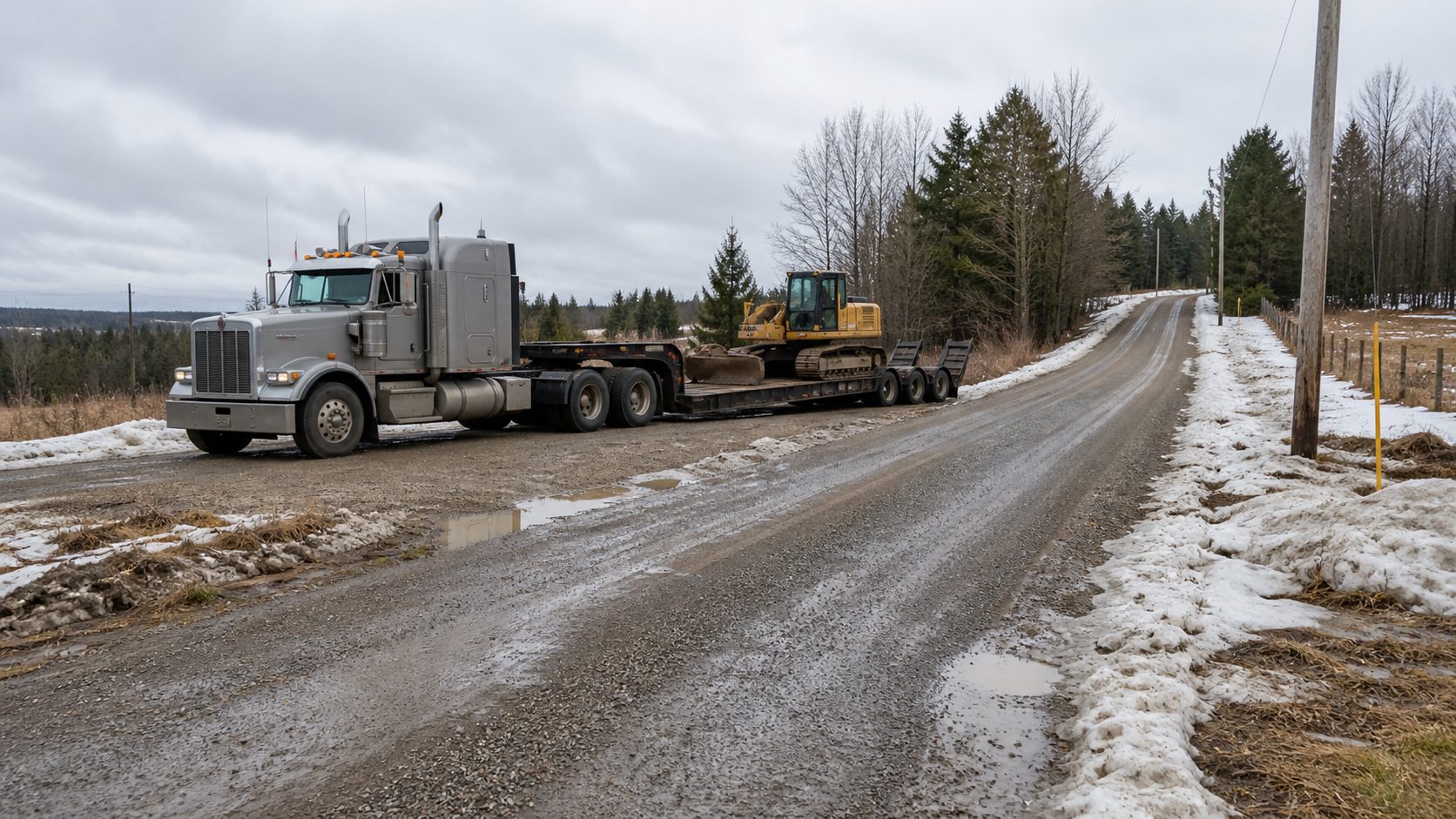
Some routes have seasonal constraints
Remote communities, ferry-dependent moves, northern routes, rural roads, and construction sites may all have timing windows. These can affect staging, pickup, and delivery.
If a move depends on a seasonal route or weather window, that should be clear from the start.
Delivery road is easier before thaw, and unloading needs firm ground.
Equipment is in a field and should be moved after a dry stretch.
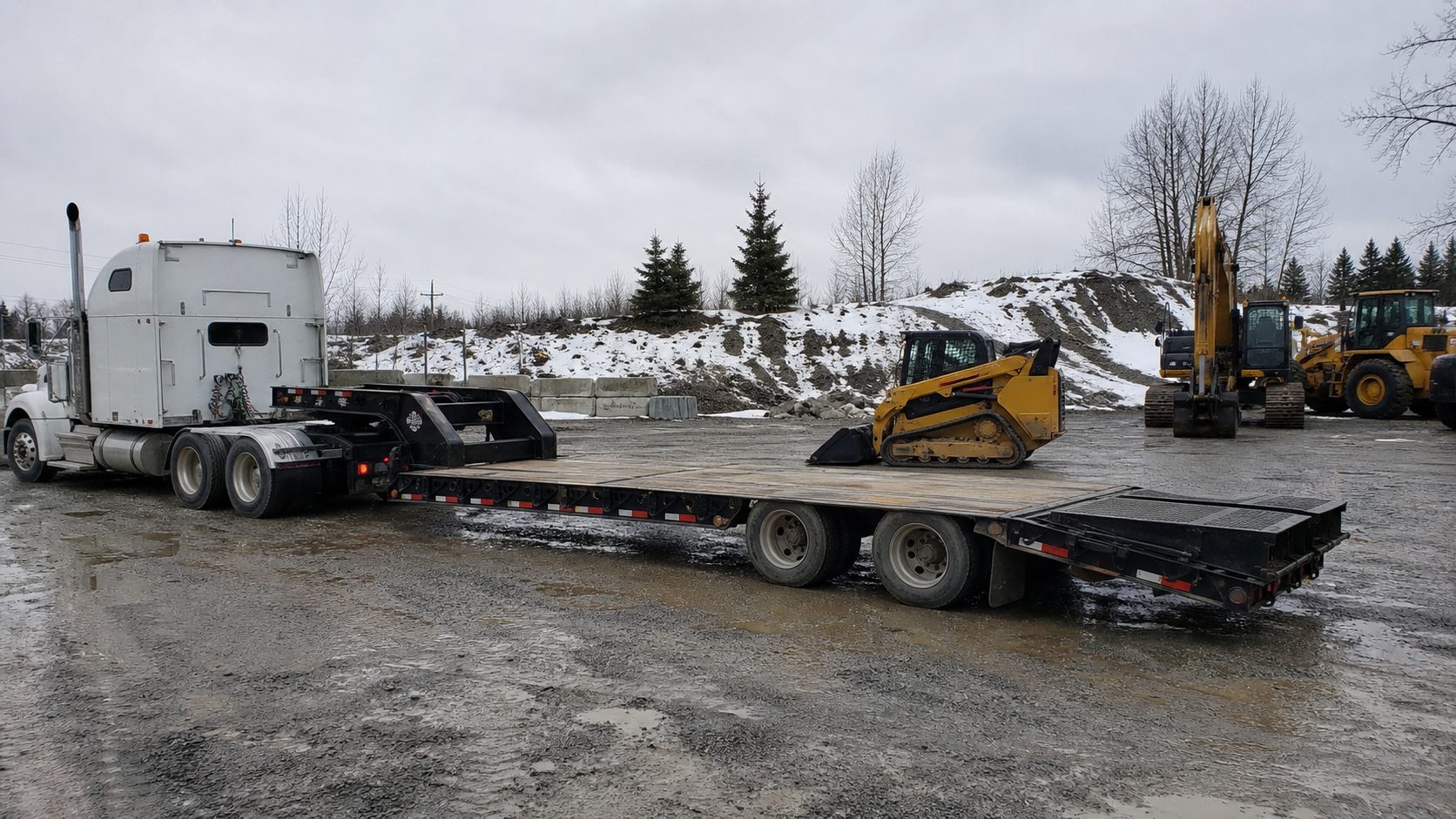
Weather affects people, not just roads
A move may require a seller, operator, yard staff, ferry connection, or receiving contact. Weather can change whether those people can safely prepare, load, or receive the unit.
Timing flexibility helps when the route is sensitive.
What to send when conditions matter
If weather or season affects the move, include current photos and a plain explanation. A simple note can prevent the route from being reviewed as if conditions are normal.
- Current road and yard condition
- Snow, mud, thaw, or soft ground notes
- Seasonal access limits
- Flexible timing window
- Contacts who know the site