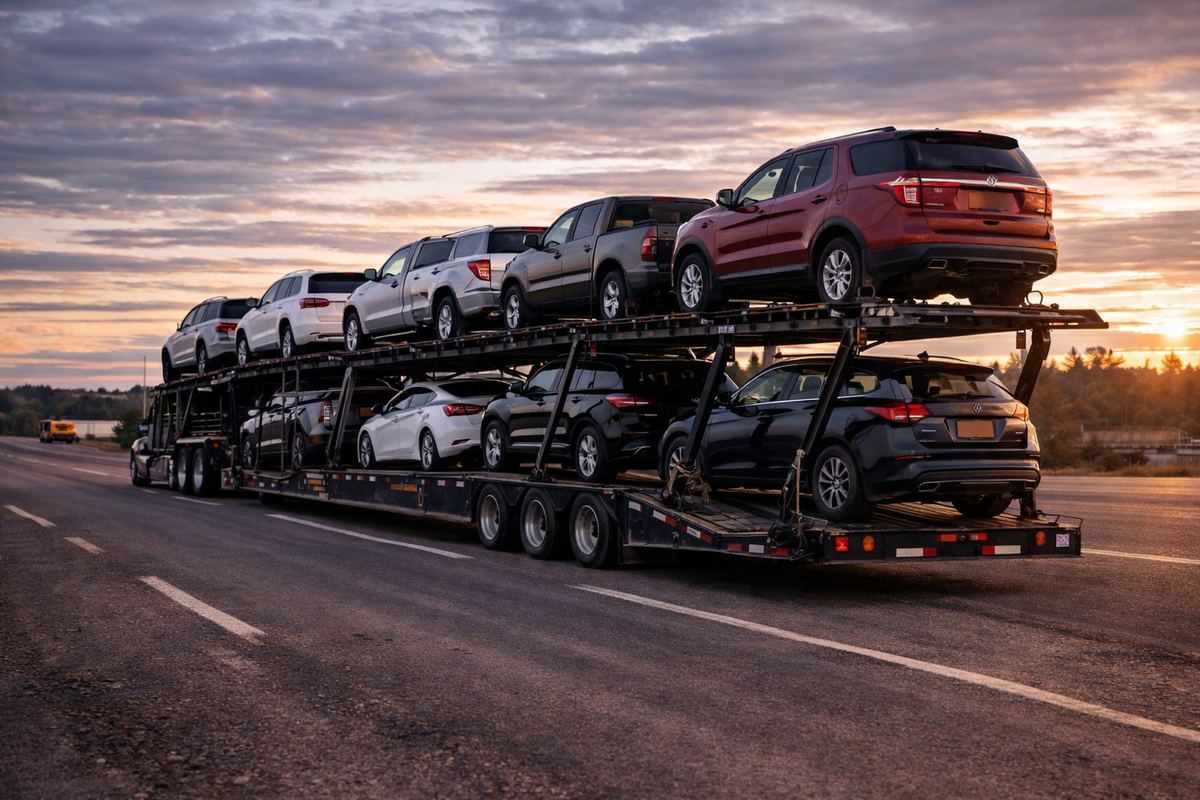
Runs and drives means more than starting
When a vehicle runs and drives, it should be able to start, steer, brake, and move under its own power well enough to be loaded safely. That sounds simple, but it is one of the most common places where transport requests become unclear. A vehicle that starts in the seller lot is not always a vehicle that can be driven onto a carrier.
For transport planning, the useful question is not only whether the engine turns over. The driver needs to know whether the vehicle can be positioned, loaded, and unloaded without extra equipment or a surprise at the pickup point. A weak battery, soft brakes, locked steering column, flat tire, or missing key can change the loading plan even if the listing says the vehicle runs.
This is especially important for auction units and private purchases where the buyer may not have inspected the vehicle in person. If the condition is based on a seller note, say that. If someone has recently watched it move under its own power, say that too. The difference helps BEMAC review the move around what is known and what still needs to be confirmed.
A true runs-and-drives vehicle is usually easier to plan than one that starts but cannot safely load itself.
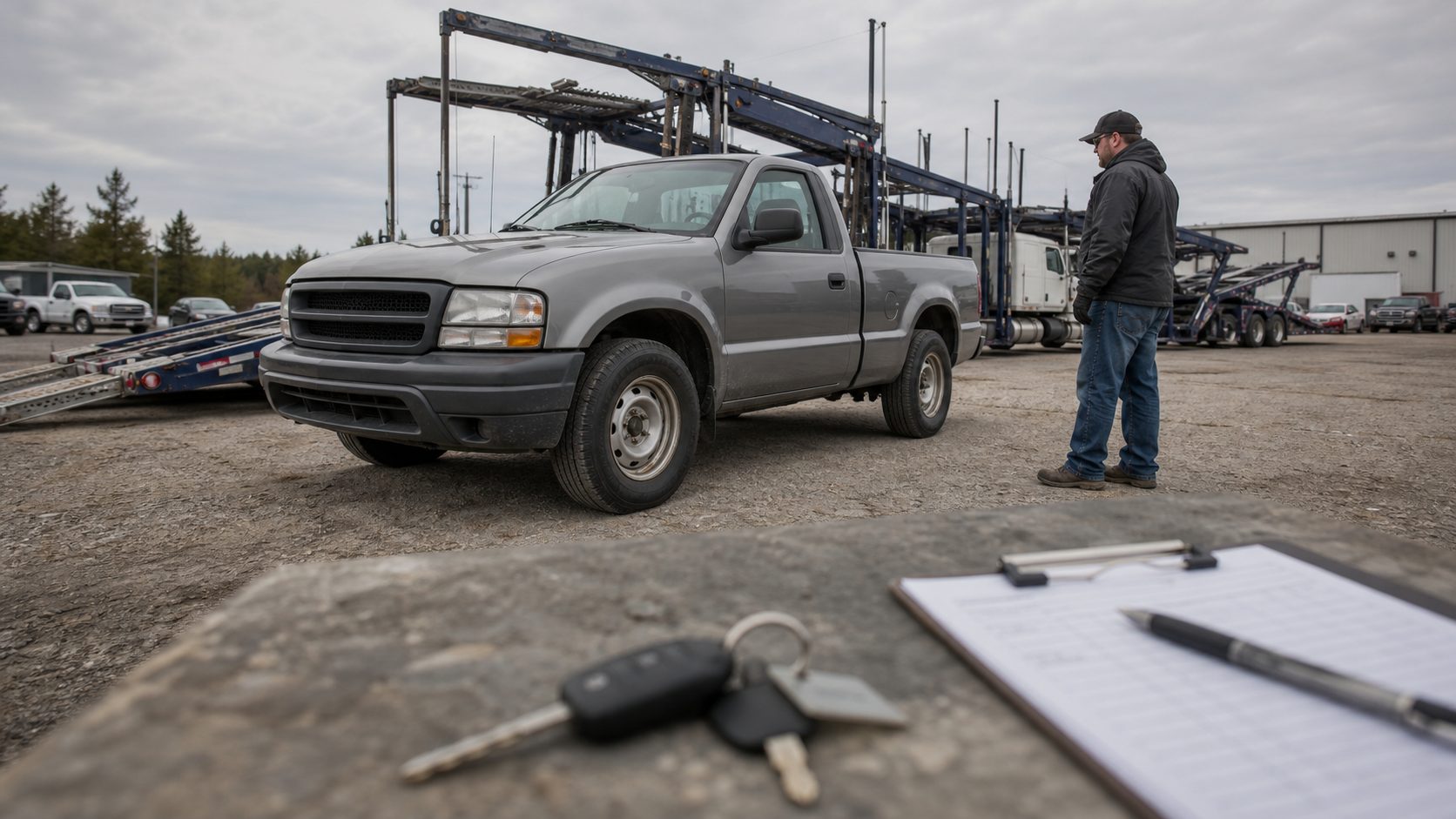
Starts only is a different condition
A starts-only vehicle may still be movable, but it should not be described the same way as a vehicle that drives normally. It might idle but not go into gear. It might move across a yard but not have reliable brakes. It might start with a boost but not restart after loading. Those details matter because the pickup plan depends on what the vehicle can do at the moment the driver arrives.
The best description is plain and specific. Instead of saying "it runs," describe what was actually confirmed: it starts with a boost, it moves forward and backward, it does not brake well, the tires are low, the keys are with the office, or the seller has not checked it recently. That kind of detail is more useful than a broad condition label.
Starts and moves in the yard, but brakes are soft and it should not be driven far.
It runs, but nobody has checked whether it can load onto a trailer.
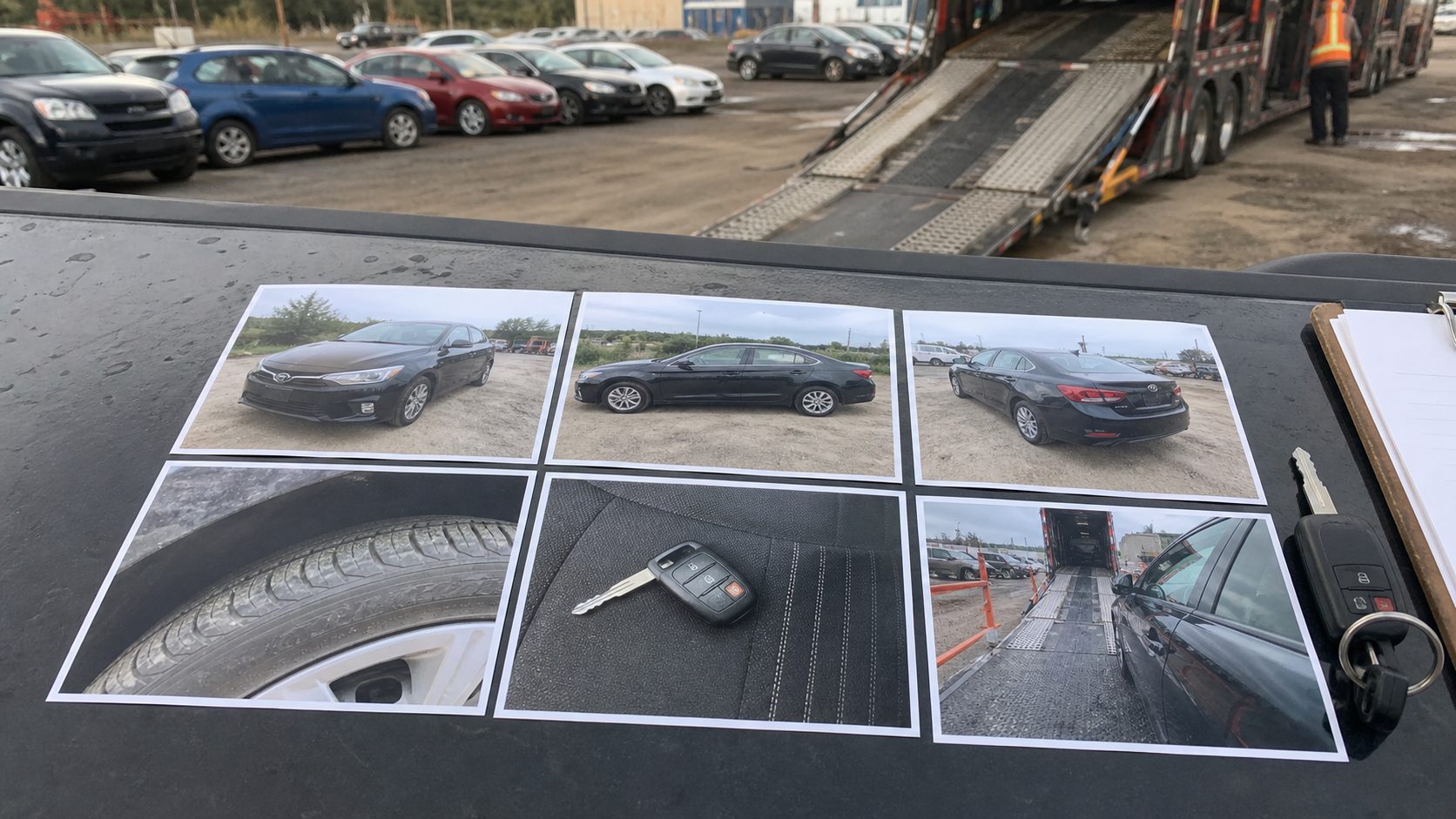
Rolls but does not run can still be movable
A non-running vehicle is not automatically impossible to move. Some vehicles roll freely, steer, and brake even though they will not start. Others are much harder: seized brakes, missing keys, locked steering, flat tires, collision damage, or blocked access can all change the pickup.
That is why "non-running" is too broad by itself. A vehicle that rolls and steers in an open yard is a very different request from one tucked into a tight driveway with flat tires and no keys. If the vehicle does not run, describe whether it can roll, whether it steers, whether the tires hold air, and whether there is room around it for loading.
Photos are helpful here because they show what words often miss: tire condition, ground clearance, damage, access, and whether the vehicle is boxed in by other units.
The phrase non-running is too broad by itself. Add whether it rolls, steers, brakes, and has keys.
Photos help confirm the condition story
Photos are not just for showing what the vehicle looks like. They help confirm the condition story. A side photo can show ground clearance or a flat tire. A rear photo can show damage that affects loading. A wider pickup-area photo can show whether the carrier has room to approach.
For auction vehicles, listing photos are a useful starting point, but current yard or seller photos are better when available. For a private purchase, ask the seller for a few clear photos and a direct note about condition. If the vehicle is modified, damaged, low, lifted, missing parts, or parked somewhere tight, include that early.
The goal is not perfection. The goal is to avoid planning the pickup around the wrong assumption.
- Four outside angles
- Tires and ground clearance
- Damage or missing parts
- Interior or key status if relevant
- Pickup area and access
Send the listing photos, lot number, running-condition notes, release details, and any current yard photos.
Ask the seller for clear outside photos and a direct note about whether the vehicle starts, drives, rolls, and has keys.
Condition also affects pickup access
Running condition and pickup access are connected. A non-running vehicle in an open auction yard may be easier to handle than a starts-only vehicle in a steep driveway with no turnaround room. A vehicle that rolls freely still needs space around it. A vehicle that needs a boost still needs someone on site who can provide access and confirm keys.
This is why BEMAC asks for more than a simple condition label. The condition tells part of the story; the pickup setting tells the rest. A dealer lot, storage yard, private driveway, apartment parking area, rural lane, or auction compound can each change what the driver needs to know before arriving.
If the vehicle is not a straightforward runner, send the condition details together with pickup access notes. That combination is what helps the move get reviewed accurately.
The most helpful message is direct: where the vehicle is, who has the keys, whether it starts, whether it drives, whether it rolls, what the tires and brakes are like, and whether a truck and trailer can reach it. That gives BEMAC enough context to ask the right follow-up questions instead of discovering the issue at pickup.
A non-running car that rolls freely in an open yard may be practical if keys, tires, and loading room are confirmed.
A starts-only vehicle in a tight driveway may need more planning than the condition label suggests.
What to send when condition is uncertain
If you are not sure how to describe the vehicle, do not force it into the wrong category. Say what you know and what you do not know. A seller note, auction listing, recent yard check, or current photo can each be useful as long as the source is clear.
For example, "auction listing says runs, but I have not confirmed keys or brakes" is better than simply saying it runs. "Seller says it rolls and steers, but battery is dead" is better than calling it non-running with no other context.
- Who confirmed the condition
- Whether keys are available
- Whether it starts, drives, rolls, steers, and brakes
- Tire condition and visible damage
- Pickup access and current photos