
The unit needs to be easy to identify
Dealer lots can have similar vehicles, changing inventory, and multiple staff involved. Stock number, VIN if appropriate, year, make, model, color, and parking location help prevent confusion.
The person releasing the vehicle should know the carrier is coming and which unit is leaving.

Release and pickup hours prevent wasted trips
A transfer can stall if the vehicle is sold, blocked in, waiting for paperwork, missing keys, or available only during certain hours.
Confirm pickup hours, release instructions, key location, and staff contact before scheduling. That keeps the transport plan tied to the dealer process.
A carrier needs more than a store name. They need the person, unit, release status, and practical pickup instructions.
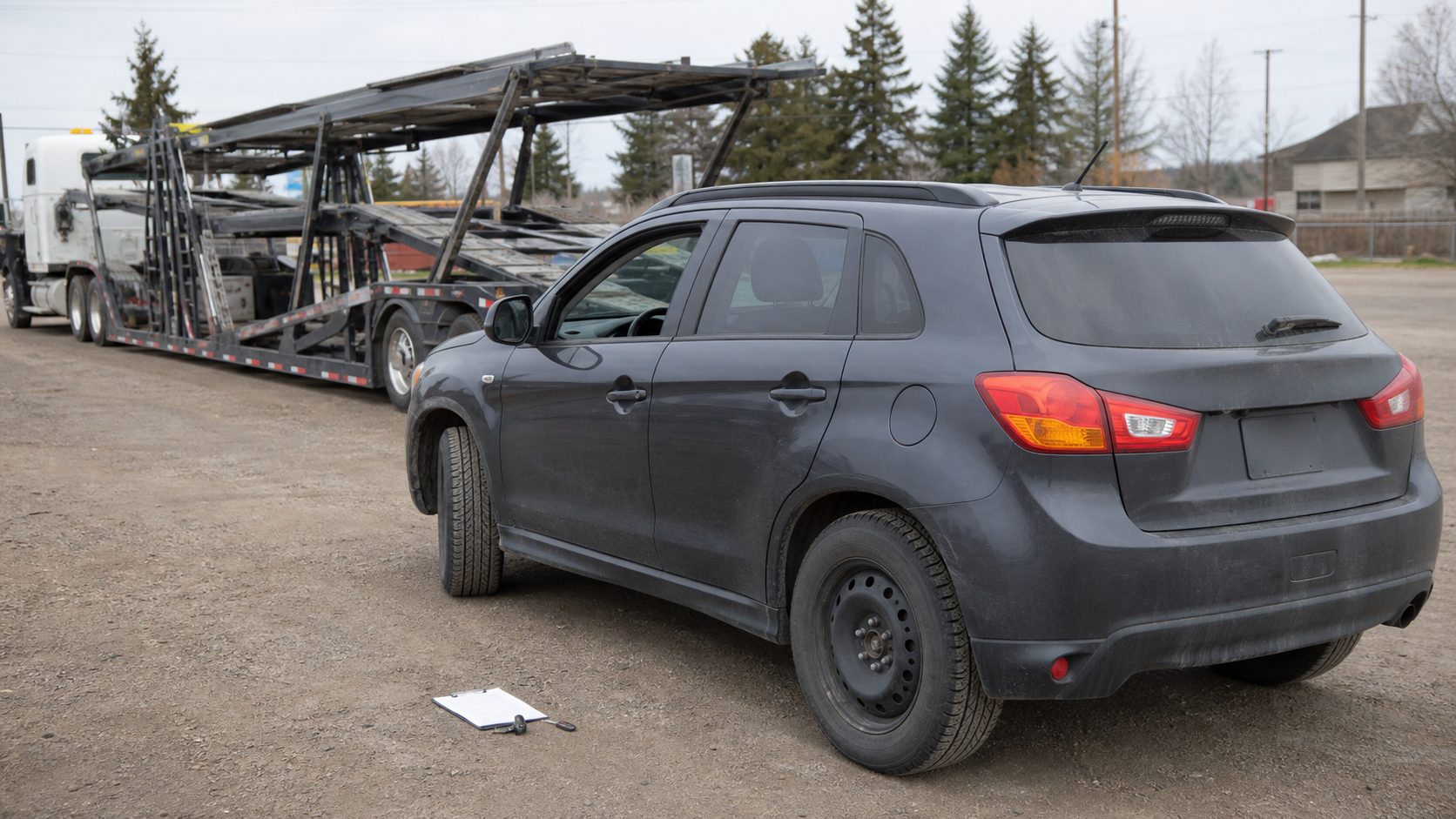
Condition and customer expectations still matter
Dealer transfers may involve new, used, traded, auction, or customer-bound units. Condition may affect loading, but it also affects communication with the receiving location.
If the vehicle has damage, low clearance, a dead battery, missing keys, or accessories inside, include that detail. The delivery contact should know what is arriving.
A repeatable transfer process helps everyone
Dealers who move vehicles regularly benefit from a consistent request format. The fewer details that change from one request to the next, the easier it is to spot the details that actually need attention.
A simple unit list with contacts, hours, release, condition, and destination keeps the work moving without making each transfer feel new from scratch.
- Stock number or unit ID
- Pickup contact and hours
- Release and key status
- Condition notes
- Receiving contact and delivery instructions