
Corridor planning depends on fit
A corridor is not just a line on a map. The route has to fit the load, timing, pickup process, delivery point, and available transport capacity.
Dealer transfers, auction purchases, private vehicles, and equipment moves can all be reviewed differently even when the route looks similar.

Ontario pickups can come from many sources
A vehicle or machine may be coming from a dealer, auction yard, private seller, storage compound, fleet yard, repair facility, or equipment dealer.
Each source has different release details. The more clearly the pickup process is described, the easier it is to review timing.
Stock number, keys, pickup hours, release contact, and delivery instructions.
Lot number, release confirmation, yard rules, condition, and photos.
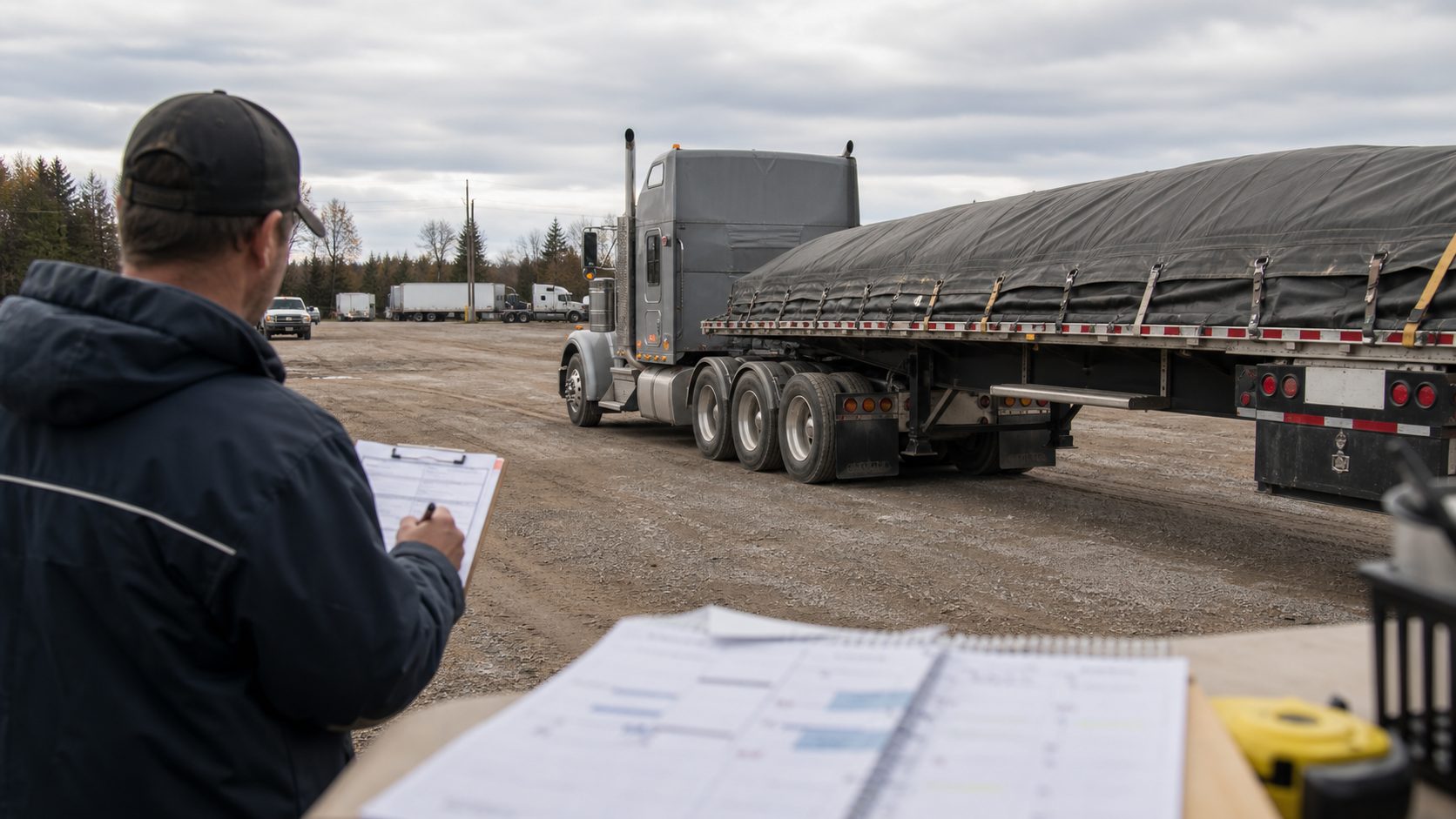
Flexibility can make corridor moves easier
When pickup or delivery timing is flexible, it may be easier to match the move to an existing route pattern. When timing is urgent, the review needs to know why.
A useful request separates true deadlines from preferences. That helps avoid treating every move as an emergency.
What to send for an Ontario corridor move
The strongest request gives a complete route picture: what is moving, where it is released from, where it is going, condition, access, contacts, and timing.
That keeps the conversation focused on route fit instead of chasing missing basics.
- Pickup source and contact
- Release or seller status
- Vehicle or equipment details
- Condition and photos
- Delivery contact
- Timing flexibility